
Unlocking Personal Growth Through Focused Retreats

In today’s fast-paced world, where distractions are plentiful and stress levels are high, the importance of personal growth has never been more significant. One effective way to embark on a journey of self-discovery and development is through focused retreats. These immersive experiences provide a dedicated space to reflect on life’s challenges, goals, and aspirations.
Understanding Personal Growth Retreats
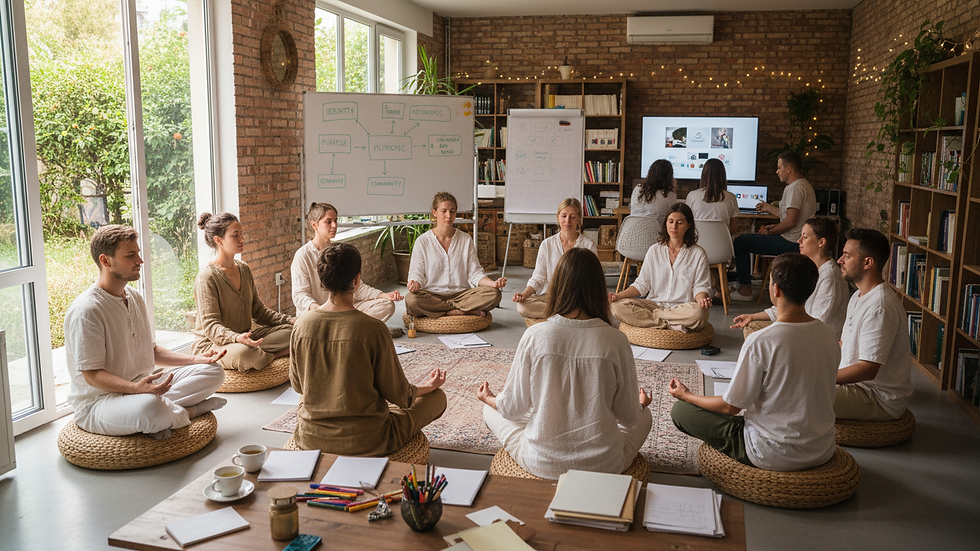
Personal growth retreats are designed to facilitate self-exploration and development. Unlike conventional vacations, these retreats provide structured environments that help participants engage in activities aimed at enhancing their emotional and mental well-being. Common components of personal growth retreats include workshops, meditation sessions, and group discussions.
These retreats are often held in tranquil settings, allowing attendees to disconnect from their daily lives and fully engage in the process. For instance, beautiful natural surroundings—such as mountains, forests, or beachfronts—serve not only as a backdrop but also foster a sense of peace and clarity.

Participating in a well-facilitated retreat can lead to transformative changes. As individuals step away from their routines, they allow room for reflection, insight, and lasting change. Many participants report increased clarity around personal goals, enhanced emotional resiliency, and deeper connections with like-minded individuals.
The Benefits of Attending a Retreat
There are numerous benefits to attending a personal growth retreat. Here are a few key advantages:
1. Dedicated Time for Reflection
Participants at retreats can take a break from the noise and busyness of everyday life. This designated time away provides space for self-reflection. Without the usual distractions, individuals can delve deeper into their thoughts, beliefs, and emotions.
2. Immersive Learning Experience
Focused retreats often feature guided workshops on various themes, such as mindfulness, creativity, or emotional intelligence. These learning experiences are typically led by experts in their fields, allowing participants to gain new insights and skills that contribute to personal growth.
3. Building Connections
One of the most valuable aspects of retreats is the opportunity to connect with others. Attendees share stories, insights, and experiences, often forming bonds that carry beyond the retreat. These connections provide an invaluable support network for personal growth.
4. Natural Environment
Many retreats are held in remote locations away from urban distractions. Being surrounded by nature is inherently therapeutic. The calming effect of nature can inspire creativity, reflection, and emotional healing.

What's the difference between a conference and a retreat?
Conferences and retreats serve different purposes, and understanding this distinction is essential for those considering personal development options.
Purpose: Conferences are primarily educational gatherings, focusing on sharing knowledge, latest trends, and best practices within a specific industry. In contrast, retreats prioritize personal and spiritual development, offering participants an opportunity to reflect and grow.
Pacing: Conferences are usually fast-paced with a packed agenda of informative sessions. Retreats, however, foster a slower pace, allowing for deeper introspection and experiential learning.
Environment: Conferences often take place in formal settings like convention centers, while retreats usually occur in serene environments that encourage relaxation and disconnection from everyday pressures.
Understanding these differences can guide individuals towards the right choice for their personal development journey.
Choosing the Right Retreat for You
Selecting the ideal retreat is vital for maximizing its benefits. Consider the following factors:
1. Understand Your Goals
Before committing to a retreat, reflect on what you hope to achieve. Do you want to deepen your mindfulness practice, explore your creativity, or enhance your leadership skills? Identifying personal goals will help you find a retreat that aligns with your aspirations.
2. Research the Facilitators
The quality of facilitators plays a crucial role in the effectiveness of the retreat. Look for professionals with expertise relevant to your goals. Read reviews, testimonials, and their backgrounds to ensure they resonate with you.
3. Review the Itinerary
Check the schedule of activities to ensure it includes elements that appeal to you—whether that’s workshops, meditation, yoga, or nature hikes. A mix of activities tailored to different interests can enhance the overall experience.
4. Consider the Setting
The location of the retreat significantly impacts the experience. Seek out places that evoke a sense of peace and tranquility. A beautiful setting not only aids relaxation but also enhances the ability to engage deeply with the retreat’s activities.

Engaging in Meaningful Activities
Participating in the right activities can deepen your personal growth experience during a retreat. Here are several types of activities commonly offered:
1. Guided Meditation and Mindfulness Sessions
Meditation nurtures mental clarity and emotional well-being. Many retreats incorporate guided sessions, allowing participants to explore different forms of mindfulness and develop a consistent practice.
2. Skill-Building Workshops
Workshops on topics like emotional intelligence, communication skills, or public speaking can prove invaluable on your journey to personal growth. Engaging with experts and practicing new skills boosts confidence and deepens understanding.
3. Group Discussions and Sharing Circles
Group discussions encourage vulnerability and openness. Sharing personal stories within a supportive environment can lead to profound connections and emotional healing.
4. Nature Activities
Spending time outdoors enhances mood and creativity. Activities such as hiking, swimming, or simply sitting in nature allow for reflection and rejuvenation.
Embarking on your personal growth journey through a retreat can be an enriching experience.
Continued Growth After the Retreat
Ensuring the benefits of a retreat extend beyond the event is crucial for long-term personal growth. Here are some strategies to maintain progress:
1. Implement Regular Reflection
Create a routine for self-reflection that feels manageable for you. This could involve journaling, meditating, or simply setting aside time to check in with yourself regarding your goals and emotional state.
2. Join a Support Group
After experiencing a retreat, consider reconnecting with fellow participants. Joining or forming a support group encourages accountability and continued growth as you share experiences and insights.
3. Set Achievable Goals
Create clear, achievable goals based on insights gained during the retreat. Break these down into manageable steps to track progress and maintain momentum.
4. Continue Learning
Always seek opportunities for further learning. Whether through books, online courses, or additional workshops, keep the thirst for knowledge alive to complement the growth experienced during the retreat.
By engaging in focused personal growth retreats, you unlock the potential for transformation and empowerment in your life. If you’re looking for a meaningful way to embark on this journey, consider exploring a cf retreat that aligns with your aspirations.
In our increasingly complex world, taking the time to immerse ourselves in personal growth can provide significant benefits. Embrace the opportunity to invest in yourself—who knows what incredible heights you may reach?


Comments